After a House Fire in Lake County: Safety Checks, Insurance Steps, and Early Cleanup Priorities
A house fire scrambles the normal order of things. The front door may still be standing, but nothing feels familiar once smoke has moved through walls, water has soaked floors, and the air carries that sharp burned smell that clings to fabric, framing, and HVAC ducts. In Lake County, that first phase after the fire has its own complications. Heat and smoke damage are obvious, but humidity, rain, and leftover moisture can turn a fire loss into a mold problem surprisingly fast.
People often expect the hardest part to be the flames. In practice, the next few days can be just as important. What happens in the first 24 to 72 hours affects safety, insurance documentation, salvage decisions, and whether the home starts developing secondary damage. I have seen situations where a family focused so much on charred cabinets and blackened ceilings that they missed the standing water in wall cavities and the soaked insulation behind the laundry room. A week later, the fire damage was no longer the only issue. Now there was visible microbial growth and a much more expensive restoration path.
That is why the early priorities need to be simple and disciplined. Make the property safe to approach. Document what happened. Coordinate with the insurer. Then begin cleanup in the right order, especially where water, soot, sewage, or damaged building materials are involved.
Start with reentry safety, not cleanup
The urge to get inside quickly is completely understandable. Most homeowners want medication, documents, phones, pet supplies, a few clothes, or anything sentimental that can still be saved. But reentry after a fire should begin with a basic safety mindset, not a salvage mindset.
If the fire department or another authority has limited access, respect that. Structural damage is not always visible from the driveway. Fire can weaken roof framing, stair assemblies, subfloors, and ceiling areas that look intact from below. Wet surfaces also create slip hazards, and the combination of water and damaged electrical systems can be dangerous.
The first checks are the boring ones, but they matter. Is the power off if the electrical system may have been affected? Has gas service been addressed if there was heat near appliances, piping, or meters? Are there areas where ceilings are sagging from extinguishing water? Is there a smell that suggests sewage contamination from a backup or damaged line? FEMA and CDC flood guidance consistently pushes people to think first about utilities and contamination risks after a damaging event, and that same logic applies visit website after a fire where suppression water is involved.
If floodwater, stormwater, or sewage entered the house during or after the fire response, the safety picture changes again. Water in a fire scene is not always clean. Once it mixes with ash, insulation debris, damaged household materials, and possibly drainage problems, cleanup is no longer just about drying. Sewage cleanup requires protective precautions and isolation of affected areas because it can create real health hazards.
There is also a practical point many people miss. If the house is using central AC to try to reduce humidity after the fire, that system itself needs a careful look. Florida health guidance notes that if a central AC system is being used to lower humidity below 60 percent, the system should be examined for problems. That is especially relevant in a post-fire home where soot, moisture, and damaged ducts or drain-pan issues may be present. Running a compromised system can spread odor, particulates, and moisture-related contamination farther than the original damage area.
The first documentation pass should happen before things move
After the property is safe enough to enter, the next task is documentation. Not glamorous, but absolutely essential. Insurance claims are much smoother when the condition of the home and contents is captured before items are discarded, walls are opened, or emergency tear-out begins.
Take broad photos first, then tighter shots. Get every room, every affected ceiling area, all visible soot, water lines, damaged furniture, appliances, and personal belongings. Open closets if they were exposed. Photograph the garage, attic access, HVAC returns and vents, and any detached spaces that may have smoke or water impact. If the fire response involved breaking windows or cutting roof sections, document that too.
A short written room-by-room inventory helps more than most people expect. Insurance is a legal contract, and homeowners often discover during a claim that they need to be more specific than they realized. “Bedroom contents” is vague. “Queen bed frame, mattress, two nightstands, dresser, lamp, area rug, clothing” is more useful. That does not mean guessing value if you do not know it. It means recording what is there, what is destroyed, and what appears potentially salvageable.
If food was exposed to floodwater or stormwater connected to the event, CDC guidance is clear that it should be thrown away. People sometimes hesitate because they are already dealing with a financial hit. But compromised food is not worth the risk.
A short first-day checklist keeps people from skipping the big things
- Confirm the home is safe to enter and that utility risks and obvious structural hazards have been addressed.
- Photograph and video all damage before moving items or starting demolition.
- Contact the insurance carrier and ask what documentation, emergency mitigation, and salvage steps they want recorded.
- Remove only critical personal items if it can be done safely, and separate them from damaged materials.
- Arrange prompt drying and cleanup, because Lake County humidity can accelerate mold growth when moisture is left in place.
That list looks simple, yet those five actions solve many of the problems that make a claim or cleanup spiral later.
Fire damage is only part of the cleanup story
Most house fires create at least three overlapping categories of damage: fire, smoke, and water. In Florida, there is often a fourth category, humidity-driven secondary damage. If the fire happened during storm season or if the structure was left partly open to weather, then water damage cleanup in Central Florida becomes just as urgent as the fire response itself.
Smoke behaves differently depending on what burned, how hot the fire got, and how long it smoldered. Some residues are greasy, some dry and powdery, and some settle deep into porous materials. Drywall, insulation, unfinished wood, soft goods, and HVAC systems can all hold odor. That is why fire and smoke damage cleanup is not simply a matter of wiping down walls and opening windows for a few days.
At the same time, the water used to extinguish the fire can soak flooring, baseboards, cabinets, wall cavities, and insulation. In Lake County, where summer humidity and heavy rain are part of life, materials do not get a grace period. If wet components are not dried or removed promptly, mold can begin taking hold. Florida health guidance is straightforward on this point: mold grows when moisture is present, and common sources include roof leaks, plumbing leaks, condensation, flooding, poor bathroom or kitchen ventilation, and HVAC or drain-pan problems. A fire event can create several of those moisture sources all at once.
I once walked a post-fire property where the obvious damage was concentrated in the kitchen. The real trouble was in the bedrooms on the other side of the house. Firefighters had used enough water that the hallway pad and tack strip stayed wet, the AC kept running, and the system likely pulled smoky, humid air through the home. By the time the family was ready to think about paint colors, the closet walls had visible mold spots. The lesson was not dramatic, just practical: dry structures first, not last.
Older homes need extra caution before demolition starts
In Lake County and around Groveland, plenty of homes predate current building practices. That matters after a fire because cleanup often involves opening walls, removing ceilings, tearing out flooring, or planning larger repairs. Older materials may carry hazards that are not visible.
Homes built before 1978 may contain lead-based paint. EPA guidance warns that renovation, repair, or painting can disturb hazardous materials in older homes. Fire damage can push a project into exactly that kind of disturbance, especially if trim, windows, doors, or charred wall sections need to come out. The same goes for asbestos in older building materials. EPA asbestos guidance makes the point that demolition or renovation work on asbestos-containing materials must be handled under applicable rules.
That is where judgment matters. Not every damaged home needs the same testing, and it does no one any favors to create fear where it is not warranted. But if a house is older and the fire or water damage means substantial tear-out, asking about Groveland FL asbestos testing before demolition is reasonable. In some cases, that may lead to asbestos abatement Lake County homeowners need to complete before broader reconstruction can begin. It is far easier to address that question early than to stop a project midstream when suspicious materials are already broken open.
The same caution applies to partial remodeling after the loss. Homeowners sometimes decide, understandably, that if part of the home must be rebuilt anyway, they may as well update finishes or reconfigure a room. That can be sensible, but once the work shifts from emergency mitigation to renovation territory, hazardous-material rules become more relevant, not less.
Watch the moisture path, not just the burn pattern
One of the most common cleanup mistakes is focusing only on what looks burned. Moisture often travels farther than flames did. Water can migrate along subfloors, behind baseboards, under cabinets, and into adjacent rooms. If firefighters cut into the roof, rain can enter later. If windows were broken for ventilation, humid outdoor air can keep interior materials damp.
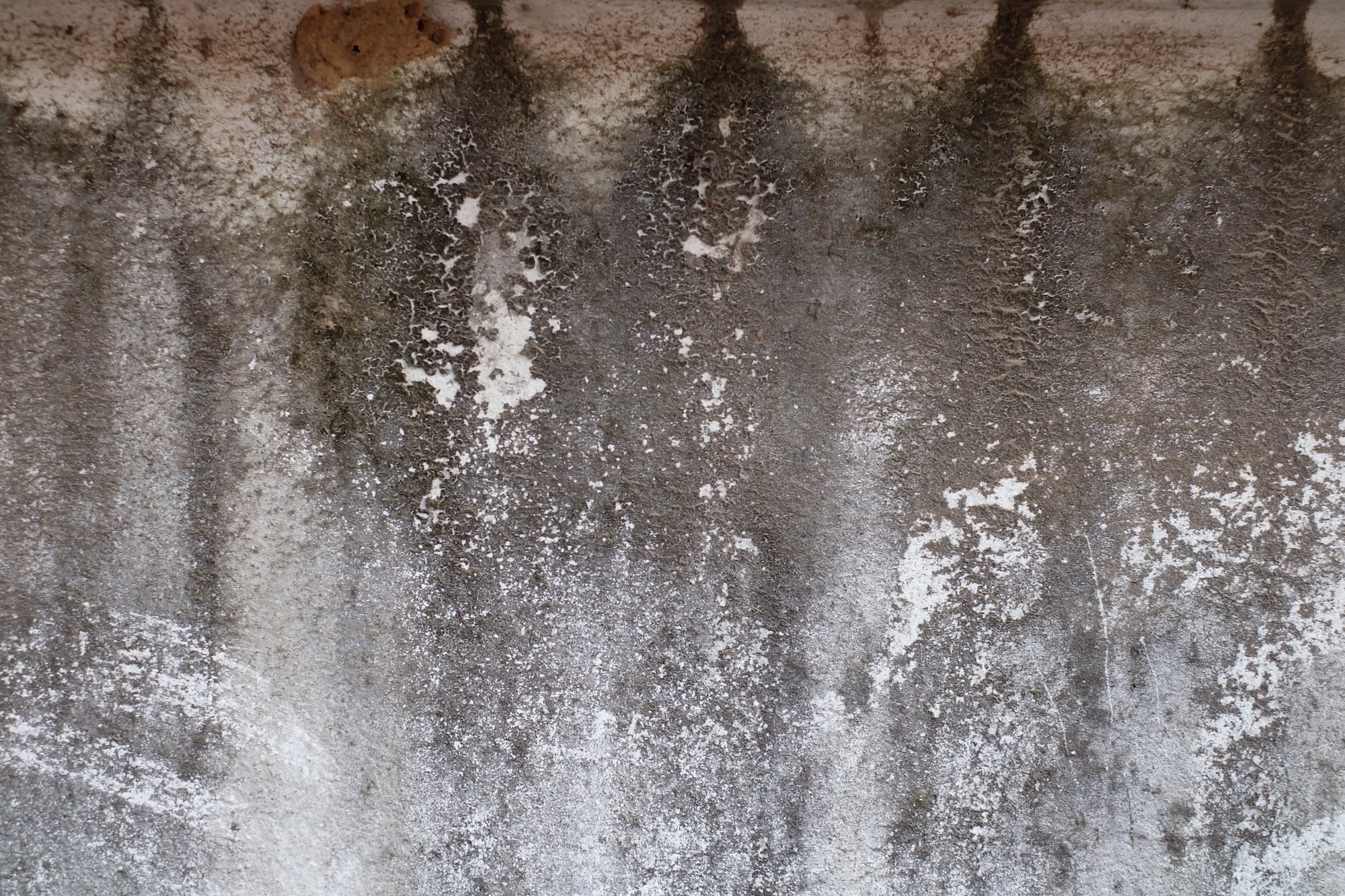
That is why visible mold, or mold that keeps returning after a wipe-down, usually points to an unresolved moisture source. Florida health guidance says recurring mold means the underlying problem still needs to be fixed. In practical terms, that could be wet insulation in an exterior wall, a hidden plumbing leak uncovered by the fire, poor bathroom exhaust, a roof opening, or an HVAC condensate issue that started showing up because the system was stressed after the event.
This is where mold removal Groveland homeowners ask about should be framed correctly. Mold removal is not just about treating a surface. If the moisture source remains, the mold issue remains. The same goes for HVAC mold remediation. If the air handler, ducts, drain pan, or nearby insulation are affected and the system is still operating with unresolved moisture, cleaning alone will not solve the problem. A central AC system that is supposed to help lower indoor humidity can become part of the problem if it is not examined for faults.
Insurance moves faster when you keep decisions organized
Most homeowners are not handling insurance claims every year, so the process can feel like learning a new language while under stress. The easiest way to keep things moving is to separate emergency decisions from permanent ones.
Emergency decisions are about preventing more damage. That can include drying wet materials, securing openings, removing unsalvageable debris that poses a health concern, and protecting contents. Permanent decisions are things like final rebuild scope, upgrades, finishes, and whether some contents are replaced or restored.
Insurers generally want homeowners to document damage and coordinate during cleanup and repairs. That sounds obvious, but stress makes people skip steps. They throw things away too early. They approve reconstruction details before all the damaged areas are understood. Or they hire someone to start ripping out material without clear photos of what was there before. Even when the work itself is legitimate, poor documentation can cause avoidable friction later.
If you are working with a remediation company Lake County residents trust, one sign of a steady operator is that they understand this pacing. They know emergency restoration services are about stabilization first. They also understand that a fire loss may include water extraction, containment, debris handling, smoke cleaning, odor removal, and moisture monitoring before anyone can talk intelligently about reconstruction.
Odor is a symptom, not just a nuisance
Smoke odor is one of the hardest things for homeowners to judge. If they smell it, they assume the job is unfinished. If they stop smelling it after a day or two, they assume the problem is gone. Neither assumption is always reliable.
Odor removal works best when the source materials are correctly identified and addressed. Burned contents, soot residues, wet insulation, and smoke-affected HVAC components can all continue producing odor. If moisture is still present, odor issues may shift from smoky to musty. If sewage was involved anywhere in the event, that introduces another layer entirely.
I have seen homes where owners bought air fresheners and rented fans, thinking time would take care of the rest. Instead, the home developed a strange mix of smoke and dampness that was harder to resolve later. Fans have their place, but they are not a substitute for methodical drying, cleaning, and source removal. Generators also need caution. CDC guidance warns about generator-related fire and carbon monoxide risks, and those hazards rise when families are already exhausted and trying to improvise power after a disaster.
When storms overlap with a fire loss
Florida recovery is rarely neat. A home may have fire damage, then wind-driven rain the next day because part of the roof was opened. Or a fire may happen during hurricane season, when contractors are stretched and structures are exposed longer than anyone wants. In those cases, the claim and cleanup can begin to resemble hurricane damage restoration Florida homeowners are more familiar with than a straightforward house fire.
That overlap matters because the moisture burden can become the dominant problem. Wet drywall, soaked framing surfaces, insulation collapse, and contamination from outdoor water all raise the stakes. If stormwater or sewage enters the property, some items are no longer candidates for routine cleaning. A child’s plush toy exposed to dirty water is not in the same category as a smoke-affected lamp from a dry room.
This is also why it helps to think in systems. The roof system, wall system, flooring, HVAC, and contents all interact. A wet wall and a smoky duct run are not separate stories if the HVAC pulled that air through the house for two days. A broken window and a soaked carpet pad are not separate stories if outdoor humidity kept the room from drying.
Choosing the first cleanup priorities without overreacting
People often ask what to tackle first once the property is stable. The answer depends on conditions, but the basic order is usually contamination and moisture before cosmetics. The family wants the black marks gone from the wall because those are upsetting to look at. The smarter priority may be the soaked insulation above the ceiling or the room with possible sewage exposure.
A useful way to think about the early phase is this:
- Address immediate health and safety concerns first, especially utilities, structural instability, sewage exposure, and heavily contaminated areas.
- Document thoroughly and stay in communication with the insurer before major disposal or demolition decisions.
- Dry the structure and identify moisture sources so mold does not become the second disaster.
- Evaluate older materials before tear-out if the home may involve lead-based paint or asbestos-containing materials.
- Clean, remove, or isolate odor sources rather than trying to cover them up.
That is not a glamorous sequence, but it is the one that tends to protect both health and budget.
What a steady recovery looks like in Lake County
A well-managed recovery after a fire in Lake County usually feels less dramatic than people expect. There is no miracle product, no single machine that erases the event overnight, and no shortcut that allows wet materials to stay in place just because the visible flames are out. The homes that recover best are the ones where early decisions are calm and sequential.
The property is made safe. Damage is documented before it changes. The insurer is looped in early. Water and contamination are treated as seriously as soot. Older materials are handled carefully if demolition is needed. HVAC concerns are not ignored just because the fire started in another room. And if mold appears, the response focuses on moisture first, because visible or recurring mold is usually evidence that something is still wet or still wrong.
That approach is especially important in Groveland and the rest of Lake County, where humidity can punish delay. A small roof breach, a soaked wall cavity, or an overlooked drain-pan problem can do more damage than people think, especially in the days right after a fire when everyone is tired and focused on the obvious losses.
If there is one practical truth worth holding onto, it is that the first cleanup choices matter more than the first repair choices. Paint colors, cabinet styles, and flooring can wait. Safety checks, insurance documentation, fire and smoke damage cleanup, odor removal, water control, and contamination decisions cannot. When those are handled in the right order, the road back is still hard, but it is far more manageable.