Summer AC Strain in Central Florida Homes: A Seasonal Moisture and Comfort Guide
By the time summer settles over Central Florida, most air conditioners are already running hard before noon. In places like Groveland, Clermont, Minneola, Mascotte, Howey-in-the-Hills, Mount Dora, and Leesburg, the pattern is familiar. Mornings start warm, afternoons turn heavy, and storms roll through just in time to push outdoor humidity right back against the house. People often talk about heat first, but inside the home, moisture is usually the more stubborn problem.
That distinction matters. An AC system can lower temperature and still leave a home feeling clammy. Bedrooms feel sticky at night. Supply vents sweat. Closets smell musty. A room may be technically cool enough, yet comfort never quite arrives. Over the years, that extra moisture can affect materials, furnishings, and indoor air quality Florida homeowners care about more every summer.
A lot of this comes down to how Central Florida homes handle long periods of humidity, frequent rain, and the constant demand placed on cooling equipment. Summer comfort is not just a thermostat issue. It is a moisture management issue, a building condition issue, and sometimes a storm-readiness issue too.
Why summer feels harder on the house than people expect
Homeowners usually notice the obvious signs first. The AC seems to run forever. Utility bills creep up. One side of the house feels colder than the other. Then the less obvious clues show up. Window tracks stay damp. Towels do not dry as fast indoors. The return grille picks up that faint stale odor people often describe as “old house smell” or “just Florida.” Often, that smell is not age at all. It is trapped moisture.
The Florida Department of Health has been clear that moisture and water damage are the main things to look for when mold is a concern. That lines up with what experienced restoration and inspection professionals see every week. People often want testing first, but in many situations the smarter first step is to find the reason the home is staying wet, humid, or poorly ventilated.
In summer, the AC becomes the front line. When it is sized poorly, aging, struggling with airflow, or simply fighting a house that leaks humid air, it has to work much harder to keep indoor conditions stable. Temperature is only part of the job. Moisture removal is the other half, and that is where many homes fall behind.
I have seen houses where the thermostat reads 74, yet indoor humidity is high enough that sofa fabric feels damp to the touch. I have also seen homes kept at 78 that feel perfectly comfortable because the system is actually removing moisture well and the building envelope is tighter. Comfort is not one number on a screen. It is the balance between cooling, air movement, and moisture control.
The Central Florida pattern that pushes systems to the edge
Summer here has a rhythm. Heat builds through the day, then afternoon storms hit, sometimes hard and sometimes just enough to soak everything outside. The immediate effect is easy to feel. The air turns heavier. The house has less chance to dry out naturally. If there is even a small roof issue, window leak, door gap, or wall penetration problem, repeated storms can start to reveal it.
That is one reason hurricane season preparation Florida homeowners do in late spring matters even before a major storm enters the picture. Florida’s official hurricane season runs from June 1 through November 30, and waiting until a named storm is near is usually too late for the basic prevention work. Summer moisture problems are often less dramatic than storm damage, but they are more common. A loose flashing detail, a clogged drainage path, or an overlooked seal around an opening may not cause a headline event, but over weeks of rain it can create the exact conditions mold needs.
The strain is not limited to single-family homes. Property managers see this constantly in multifamily buildings and commercial spaces. A property manager water damage call might start with stained drywall after a storm, but the larger issue is often hidden moisture in insulation, baseboards, flooring, or wall cavities. In a busy season, fast action matters because a wet area that sits for even a short period in a humid climate tends to get more complicated.
What an overworked AC system can and cannot do
A common misunderstanding is that the AC can “dry everything out” if you just let it run long enough. Sometimes it helps. Sometimes it barely touches the problem.
Air conditioners remove some moisture as part of the cooling cycle, but they are not designed to solve every indoor moisture issue. If bulk water entered through a roof leak, plumbing failure, or wind-driven rain, the system alone is not enough. If humid outside air is leaking in through openings or poorly sealed areas, the AC is in a constant tug-of-war. If furniture, drywall, or flooring has already absorbed water, the moisture load may be much larger than people realize.
That is where the distinction between mitigation vs remediation matters. In plain language, mitigation is about limiting immediate damage and stabilizing conditions. Remediation is about addressing the contamination or lasting problem that remains. Drying wet materials, extracting water, or controlling humidity may be part of mitigation. Removing mold-damaged material under proper containment in a more serious case falls under remediation. People use the terms interchangeably, but on the ground, the difference affects scope, timing, and the equipment needed.
In a Florida summer, the earlier that stabilization begins, the better. Delays are expensive. What begins as a wet section of carpet pad or damp drywall can turn into a broader restoration issue if moisture lingers.
The signs that point to a moisture problem, not just a comfort problem
Not every humidity complaint means there is hidden damage, but certain combinations should get your attention. If the house feels sticky and you also notice a musty odor, visible staining, bubbling paint, warped trim, or condensation where you do not usually see it, the issue is probably bigger than simple AC strain.
Here are five signs worth taking seriously:
- Rooms feel clammy even when the thermostat setting is low.
- You notice persistent musty odors in closets, bedrooms, or around supply vents.
- Drywall, trim, or flooring shows staining, swelling, or warping.
- Condensation appears regularly on vents, windows, or cold surfaces.
- Symptoms seem to worsen after heavy afternoon storms or periods of repeated rain.
Those symptoms do not diagnose the exact cause on their own. They do tell you it is time to look for moisture intrusion, drainage issues, or hidden wet materials rather than blaming heat alone.
Older homes in Florida have their own summer behavior
A home inspection older homes Florida buyers or owners arrange often reveals conditions that matter more in summer than they expected. Older homes may have lived through decades of repairs, additions, window replacements, roof changes, and HVAC updates that do not always work together perfectly. A single small weakness might not stand out in the dry season, then become obvious once the house is subjected to months of humid weather and repeated storms.
I have seen older homes where one retrofitted section was tighter than the rest of the building, creating odd airflow patterns and pockets of trapped humidity. In another case, a homeowner kept replacing room deodorizers when the real issue was a recurring moisture source near an exterior wall. Nobody noticed it in winter. By July, the wall cavity had turned into a long-term problem.
That is also where mold myths can waste time and money. One myth is that if you cannot see mold, you do not have a moisture issue. Another is that bleach solves every mold problem. Yet another is that testing is always the first and most important step. In reality, visible growth is often the later stage of a moisture problem, not the beginning, and cleaning products do not fix a wall, flooring system, or cavity that is staying wet. The practical first move is to identify and correct the moisture source.
When a damp house becomes an indoor air quality problem
A lot of indoor air quality Florida conversations start with allergies, odors, or a complaint that the house feels stale. The air itself is rarely the problem in isolation. Usually, something in the building is feeding the issue. Moisture is high on that list.
If furnishings, drywall, insulation, or dust reservoirs stay damp, they can affect how the home smells and feels. Occupants may notice the difference most at night, when doors are closed and airflow changes. A guest room that stays shut for days can tell on the house faster than the main living area. Open the door and there it is, that sweet, stale, slightly earthy smell that says moisture has been lingering.
In restoration work, equipment choices matter here. Dehumidification and air scrubbers serve different purposes, though people often lump them together. Dehumidification is aimed at moisture reduction. Air scrubbers are used to help clean the air in certain remediation or restoration settings, depending on the condition and scope. They are useful tools, but they are not interchangeable and they are not a cure-all. If a room keeps getting wet, no machine fixes the source by itself.
The same common-sense principle applies after smoke events. Smoke odor removal is not just about masking the smell. Odors cling to porous materials, and if a building already has elevated humidity, those odors can linger in ways people do not expect. Florida homes do not get the luxury of dry air doing part of the cleanup work for them.
Storm season turns small weaknesses into active leaks
Not every summer moisture problem arrives with a dramatic event. Sometimes it is the third thunderstorm in a week that finally pushes water past a vulnerable spot. Other times, the issue begins with wind-driven rain finding a path around an aging exterior detail. During hurricane season, that risk naturally rises.
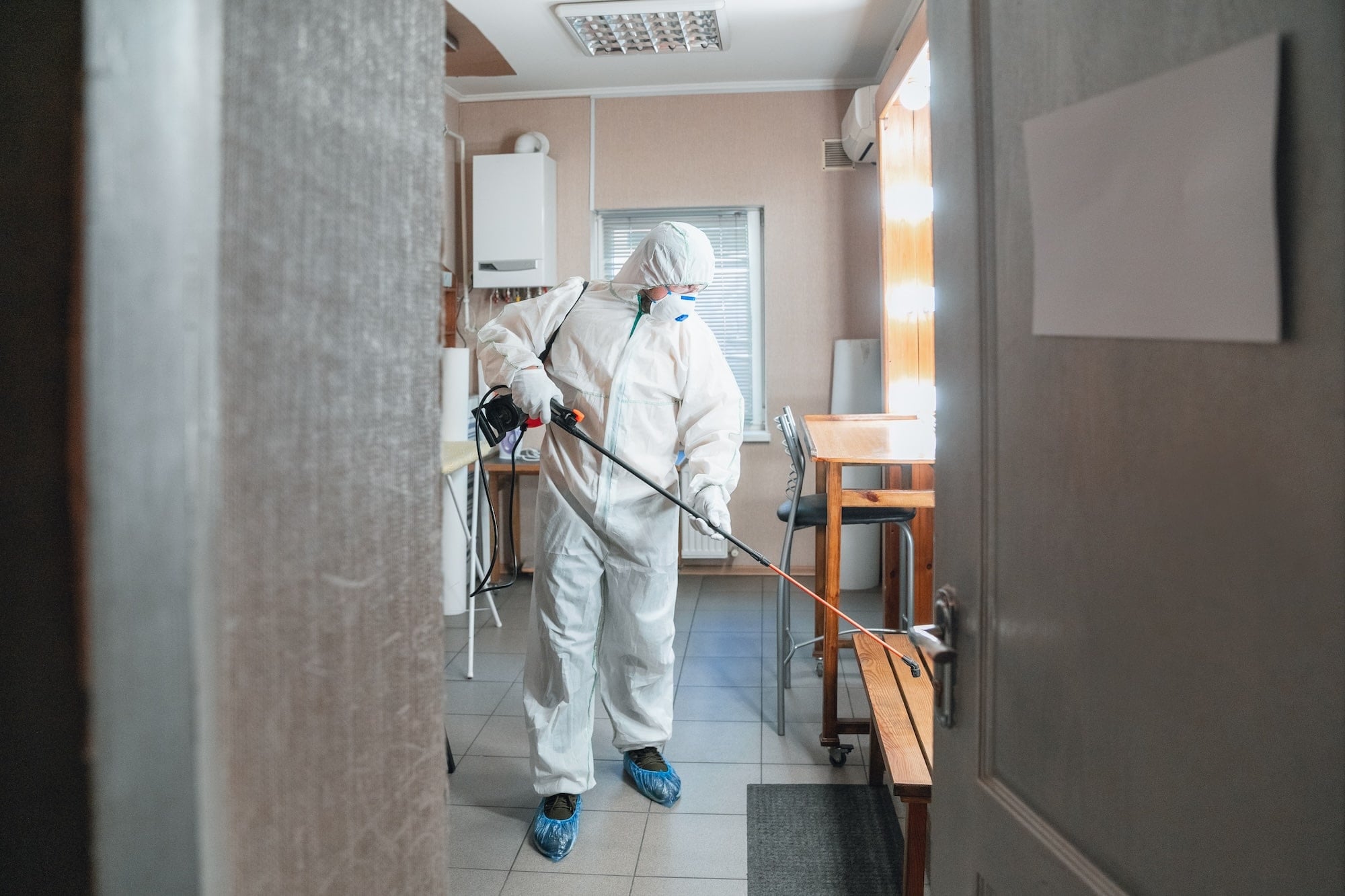

NOAA advises preparing before the season starts, and that is practical advice, not just storm messaging. If you wait until June or July to think about drainage, roof condition, vulnerable openings, or emergency contacts, you are behind. In Lake County and nearby areas, a dependable response plan matters because storm damage rarely arrives at a convenient hour.
For households and commercial properties alike, a basic water damage checklist can save valuable time in the first moments after discovery. It does not need to be complicated. The best version is one people can actually use while stressed, tired, and possibly dealing with weather outside. A simple working checklist usually covers the immediate priorities:
- Stop additional water intrusion if it can be done safely.
- Move people, pets, and valuables away from the affected area.
- Document visible damage with photos.
- Separate obviously wet materials from dry areas when possible.
- Call the appropriate restoration or emergency service promptly.
That last step matters more than many people think. In this region, 24/7 emergency cleanup Lake County services are not a luxury. They are often the difference between a manageable drying job and a more expensive repair and remediation project a few days later.
Commercial buildings and managed properties face a different kind of pressure
A single-family homeowner may be dealing with one AC unit and a handful of rooms. A property manager may be balancing tenant complaints, occupied spaces, liability concerns, maintenance schedules, and insurance communication all at once. That changes the decision-making.
Commercial mold remediation typically requires more coordination because the building may stay partially occupied, access may be limited, and containment becomes more sensitive. Even a relatively small moisture event can interrupt business operations, affect multiple units, or trigger air quality concerns among occupants. Speed matters, but so does judgment. Acting fast without understanding the source can lead to repeat losses. Acting too slowly in Florida humidity creates its own risk.
This is also where certified training matters in the restoration field. Organizations such as the IICRC set certification standards in cleaning, inspection, and restoration specialties, including microbial remediation, structural drying, and building moisture inspection. Certifications do not replace field judgment, but they are a meaningful sign that the people handling the work have been trained in recognized practices.
For commercial owners and managers, the best outcomes usually come from treating moisture complaints as building performance issues, not isolated cleaning jobs. A wet ceiling tile is rarely just a ceiling tile problem. It may point to roof vulnerability, HVAC condensation, drainage trouble, or an earlier event that was never fully dried.
Renovation season can uncover another layer of risk
Summer is also a time when some owners schedule updates between school breaks, tenant turnovers, more information or slower occupancy periods. That can expose materials and conditions that have been sitting undisturbed for years. In older structures, asbestos survey before renovation planning may be part of doing the job responsibly.
Florida regulates asbestos work through licensure and abatement rules, and the state framework is designed to minimize fiber release during demolition and renovation activities. Depending on the type of property and project, requirements differ, and some small residential situations may be treated differently than commercial or larger residential settings. The larger point is straightforward. If renovation could disturb suspect materials, do not guess. Have the project assessed by the appropriate licensed professionals before demolition begins.
This tends to come up in the same conversations as moisture because once walls, flooring, or ceilings are opened for water-related repairs, owners sometimes decide to renovate further. That is where haste can create a second problem. Drying and cleanup are one issue. Disturbing regulated materials is another. They need to be handled with the right sequence and by the right people.
What a smart response looks like in real life
The best summer moisture responses are usually not dramatic. They are disciplined. Someone notices a problem early, stops the source if possible, gets the affected area evaluated, and avoids the temptation to “see if it dries on its own” for three or four sticky Florida days.
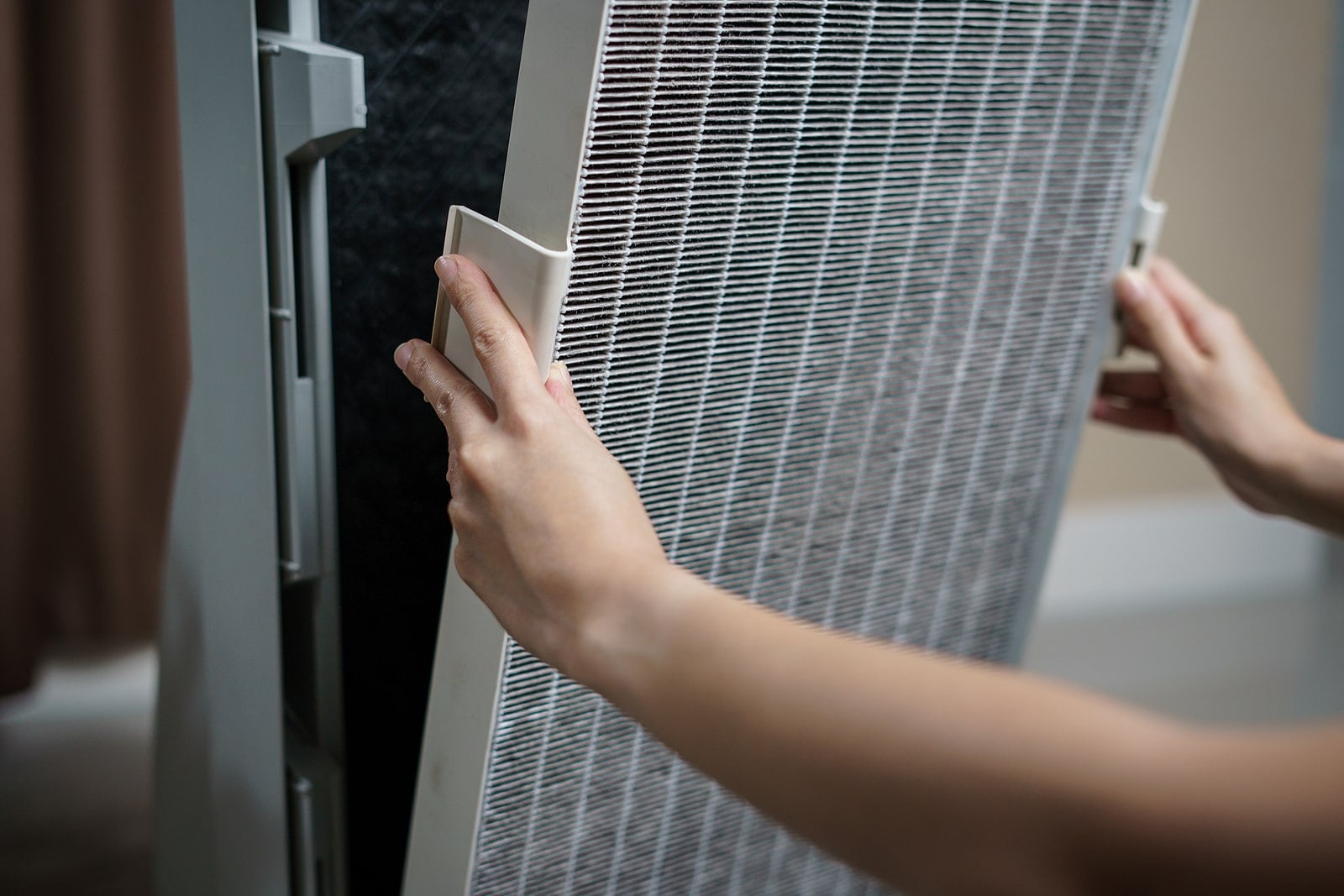
A homeowner in an older Central Florida house might start with a complaint that the back bedrooms never feel comfortable. A careful look reveals elevated moisture signs after repeated storms, plus odor concentrated near an exterior wall. Another property may seem fine until a vacant unit is opened and the stale smell is unmistakable. In both cases, the path forward is the same basic idea. Find the moisture, stop the intrusion, dry the structure properly, and then decide whether further remediation is needed.
That sequence is what separates a nuisance issue from a drawn-out one. People often spend too long treating symptoms. They buy another portable deodorizer, lower the thermostat two more degrees, or run fans without understanding where the moisture is coming from. Those choices can make a room feel better briefly, but they do not resolve the underlying condition.
Living more comfortably through the season
There is no way to make a Central Florida summer mild, and there is no AC system that can completely overcome a house with active moisture intrusion. But comfort improves dramatically when people think beyond the thermostat. A house that stays dry, drains well, and gets quick attention when leaks happen will usually feel better, smell better, and cost less to maintain over time.
That is especially true across Lake, Orange, Seminole, and Osceola counties, where summer weather asks a lot from buildings for months at a time. Homes and commercial properties in and around Groveland are not just fighting heat. They are managing moisture day after day, storm after storm, season after season.
If your home feels persistently damp, your AC seems to run nonstop, or a musty odor keeps returning, trust what the building is telling you. Florida summer discomfort is not always just summer discomfort. Very often, it is the first warning that moisture has already moved from inconvenience into building problem.